
Shopping Cart
 English
 Français
Using your vintage car on a daily basis
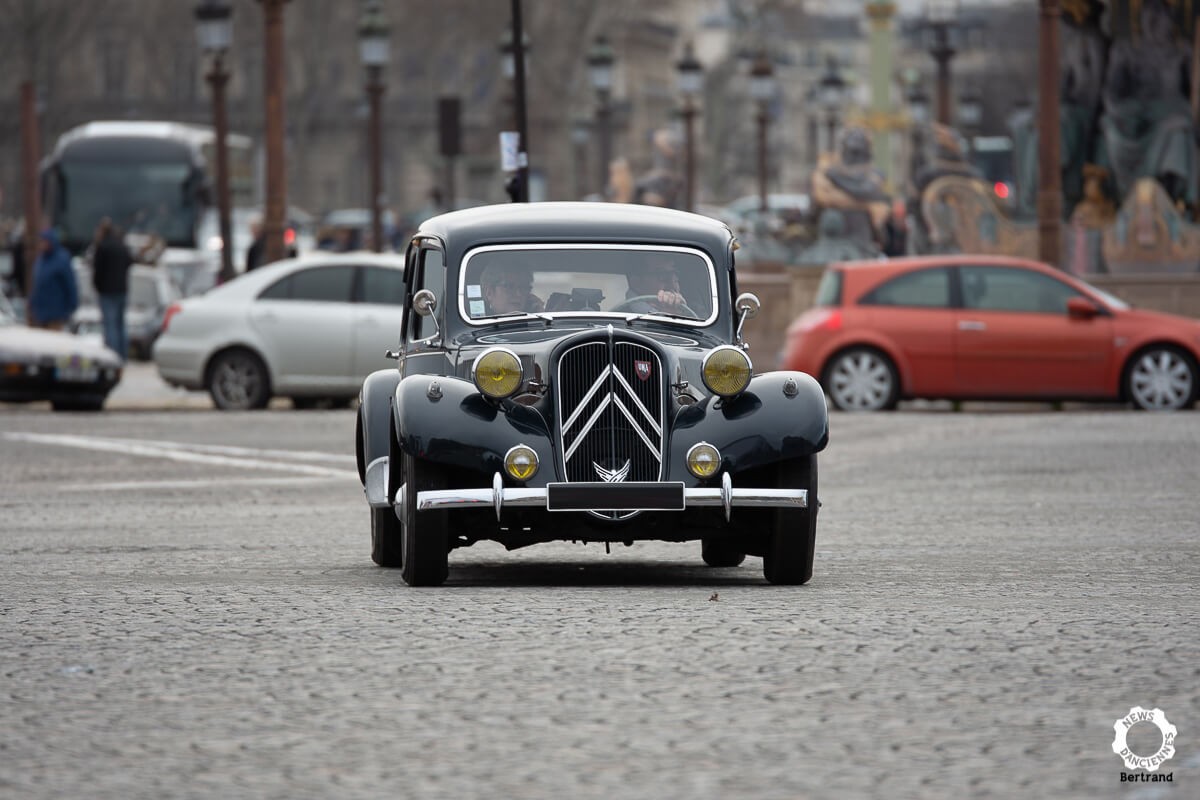
Using your vintage car on a daily basis
An old car is, above all, a car. And since a car is made to drive, Alepoc offers you plenty of part references to maintain and restore yours. But once you get a taste for it, you might want to drive... a lot. And why not use your vintage car daily? It's a good idea, but not so simple! So here are some tips !
Put reliability on your side
Before heading to the other end of France for your club's gathering, you check your car and do what's necessary to ensure it runs perfectly... and brings you back home.
Well, using an old car on a daily basis is even worse than that! You must really be sure that your car can still handle the 2020 traffic jungle. On the engine side, make sure you won't stall at every red light, that you can maintain a certain pace on the road, and finally, that you have the right tools to help yourself in case of trouble. Don't forget to check your cooling system as well, because you might have to deal with traffic jams (if you have a Citroën 2CV, forget this part).
Also check your braking. Driving a long distance by choosing your route (often less traveled) ensures peace of mind and not too many emergency brakings to perform. This will not be the case if you use your old car every day. Because don't forget that you will certainly be driving more frequently in urban areas !
Also, make sure to be seen! Nowadays, all cars have daytime running lights... and at night, they have efficient lighting. If your vehicle runs on 6V, you'll need to find good solutions to avoid surprising some drivers who may see you too late. And if you're on 12V, you're not necessarily out of the woods, as the bulbs and circuits from fifty years ago sometimes lack strength.

Finally, regarding reliability, consider your consumables. Make sure to list all the gas stations that supply unleaded 98, the fuel that is best suited for our vintage vehicles and will help you avoid some sputtering and clogging issues.
Also, don't forget about oil changes. While modern cars can easily go a year between oil changes, most older cars require attention every 5000 km. And if you use your old car daily, you'll reach that mark quickly !
By the way, Alepoc offers you a wide range of specific oils for classic cars.
A behavior to adapt
We've already talked about braking, but stopping distances are not the only aspects where an old car differs from a modern one. If you want an old car as a "daily driver," it will often be a popular model, and the power available to you will be different. You will certainly have a less responsive car in your hands, and you will need to plan ahead. There's no question of making a tight start at a stop sign.
In the same vein, popular vintage cars made for long highway drives at 130 km/h... don't really exist. Not that they are incapable, but it wasn't part of the design specifications. As a result, your vintage car might feel uncomfortable in such conditions, particularly because the gear ratios are not really suited for it. Fuel consumption and noise inside the cabin will remind you of this! So, choose your routes wisely, especially if there's elevation involved !
Driving must therefore be adapted, and keep one maxim in mind: anticipate !
Attention to LEZ (Low-Emission Zones)
Driving a vintage car every day is nice. But are you allowed to do it? Actually, not everywhere! The areas where the driver no longer has a choice of their car are increasing, with the aim of limiting greenhouse gas emissions (we won't debate the actual usefulness of this here).
Make sure you will be able to use your vintage vehicle on a daily basis, including in certain exceptional cases that will bring you closer to large urban areas. Most will only allow you to drive during the day with a registration document known as a "collection" (nowadays called the Collection Registration Certificate). However, daily use is not really the intention of this legal provision, and you will need to justify the historical and collectible interest of your vintage vehicle. We will revisit this topic soon.

Check your insurance carefully
Once you have verified that you are legally allowed to drive, make sure to check your insurance. Most vintage car collectors drive with inexpensive insurance... which actually only covers the damage they may cause to others (liability insurance). However, you can also be insured for a bit more and have peace of mind with proper coverage, including for your own car.
Except that... driving your vintage car daily is not in the spirit of classic car insurance either. This type of insurance charges you less because you are supposed to drive less. In fact, most of the time, commuting trips are excluded. In short, your usage is no longer considered as part of a collection, and you are not insured !
So make sure to check with your insurer that you are properly covered. And don't forget that a collector's insurance doesn't require a collector's registration certificate, and vice versa !
If you drive a classic car every day, you might have your tips, your stories? Well, tell us about them !
Published on
04-06-2020