Shopping Cart
 Français


 English
Since the invention of the wheel, humans have faced a major challenge: stopping movement in a controlled manner. For many centuries, wheeled vehicles were primarily drawn by animals, thus requiring a manual way to brake them in case of emergency. The conversion of kinetic energy into thermal energy through friction has represented the major challenge for any inventor of a rolling machine.
For a long time, the most common solution was the shoe brake, operated directly by a lever. This system, although widely used, was not very durable and easily became dirty with deposits accumulated on the wheels. Even the earliest automobiles were equipped with this inefficient system. However, the continuous development of vehicles and the improvement of their performance prompted many inventors to seek more effective braking solutions and adapted to these new needs.
The first major breakthrough occurs on the side of Billancourt, where a certain Louis Renault invented the drum brake in 1902. This system is simple: two jaws attached to the axle rub against the drum fixed to the wheel. Its low cost and relative efficiency have allowed this invention to endure to this day. Initially, the system was cable-operated. It wasn't until 1919 that a hydraulic control for braking appeared, first on Lockheed airplanes, then on cars in 1924.
Although the drum brake is an improvement over the band brake, it is not without drawbacks. There is frequent clogging in a confined environment, low heat resistance due to a lack of ventilation, and poor braking precision.
Meanwhile, other visionaries in the automotive industry were seeking alternatives for the braking system. The beginnings of the disc brake date back to the early 20th century in England at Lanchester, which equipped one of its cars with a braking system using a copper disc, positioned at the gearbox output. However, the high costs of materials and the difficulty in withstanding England's rough roads sidelined this invention.
In 1925, Albert Girling files a patent for a disc brake that does not immediately find an application in the automotive field. Meanwhile, on the other side of the Atlantic, the little-known brand Crosley equipped some of its cars with disc brakes as early as 1949, but only temporarily. To truly see the emergence of the disc brake on the market, it was necessary to wait for the victory of the Jaguar C-Type, equipped with Dunlop-Girling disc brakes, at the 24 Hours of Le Mans in 1953. This advancement from competition, which allowed for better braking endurance, was later adapted for road use.
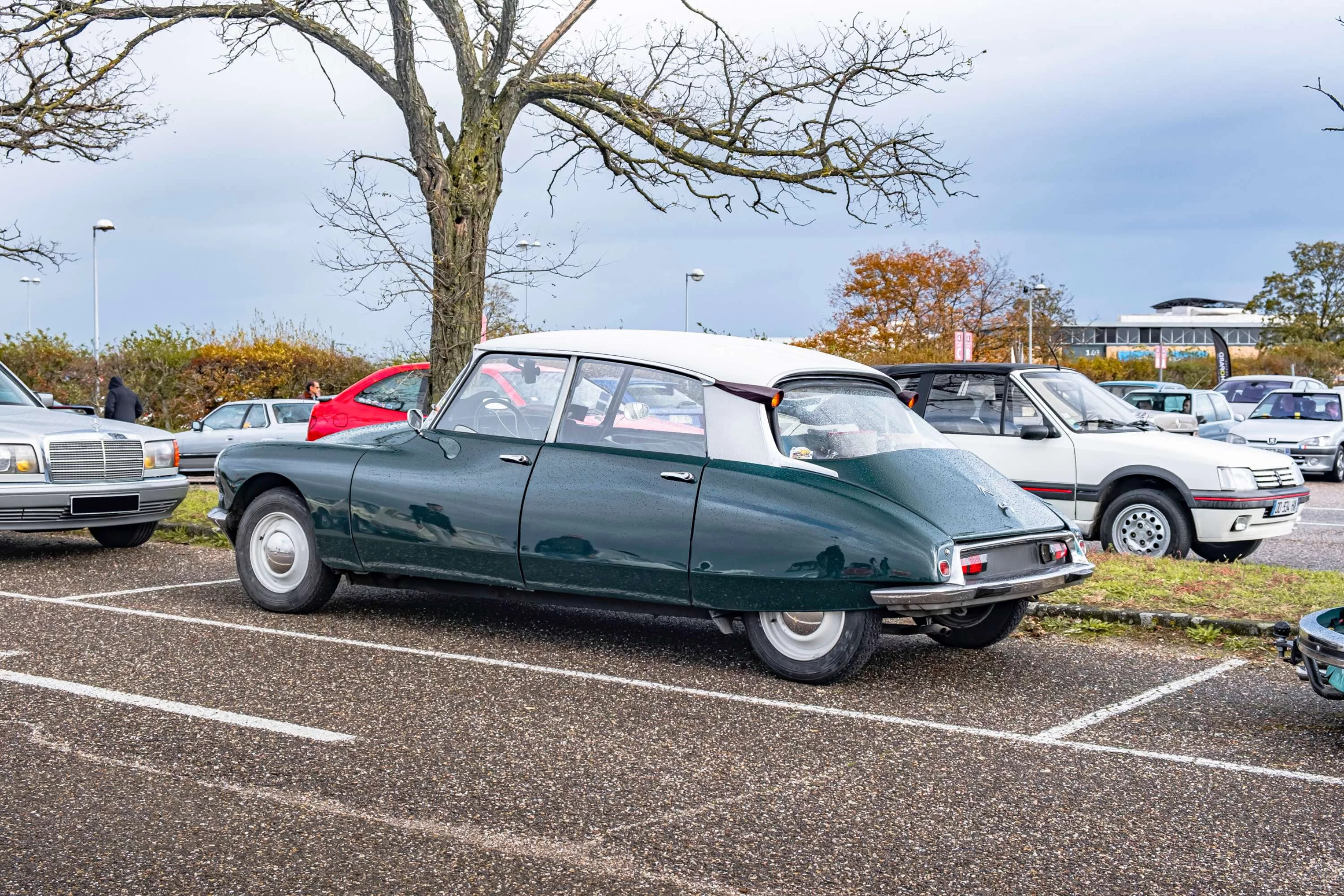
In 1955, during the Paris Motor Show, a true automotive UFO was unveiled: the Citroën DS. This car has captivated the crowds with its futuristic design and innovations, among which were disc brakes. It was the first production car to be equipped with front disc brakes.
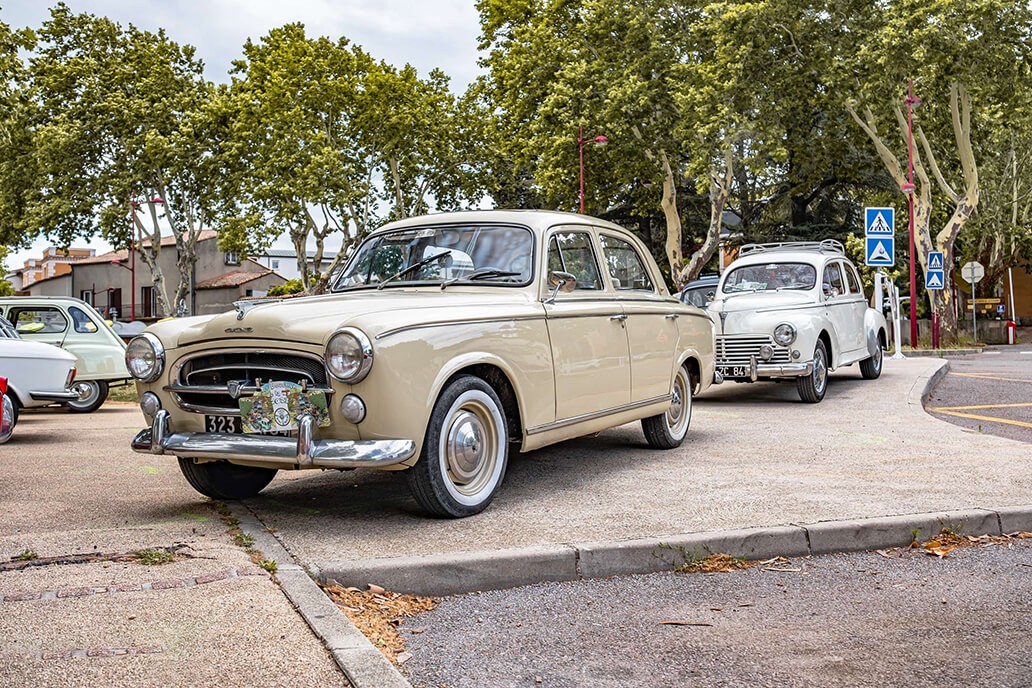
However, at Sochaux and many other manufacturers, cars continued to be equipped with drum brakes. The Peugeot 203And Peugeot 403 used this braking system in a similar way to other cars. A master cylinder converts the pressure applied to the brake pedal into hydraulic force, distributed to the different wheels through brake hoses, thereby activating the wheel cylinders composed of a piston that pushes the drum shoes.


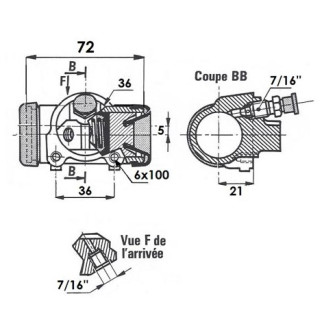
These different components can wear out, crack, and corrode over time. It is therefore essential to check these elements, especially on an old car. It is necessary to regularly replace the jaws of the drums and to dust off the entire system. To help you maintain a safe braking system, we offer a wide range of braking parts for vintage French vehicles, especially for older models. Peugeot.


In 1965, the range Peugeot has expanded with the introduction of the Peugeot 204. This small car was revolutionary for its manufacturer, being the first Peugeot to be equipped as standard with front disc brakes, although the higher range still is notdiscover here the braking parts for Peugeot 204).

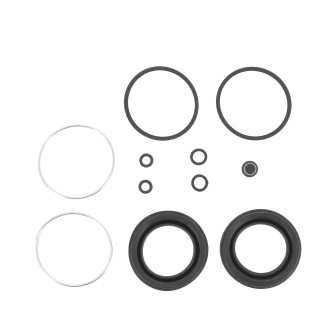


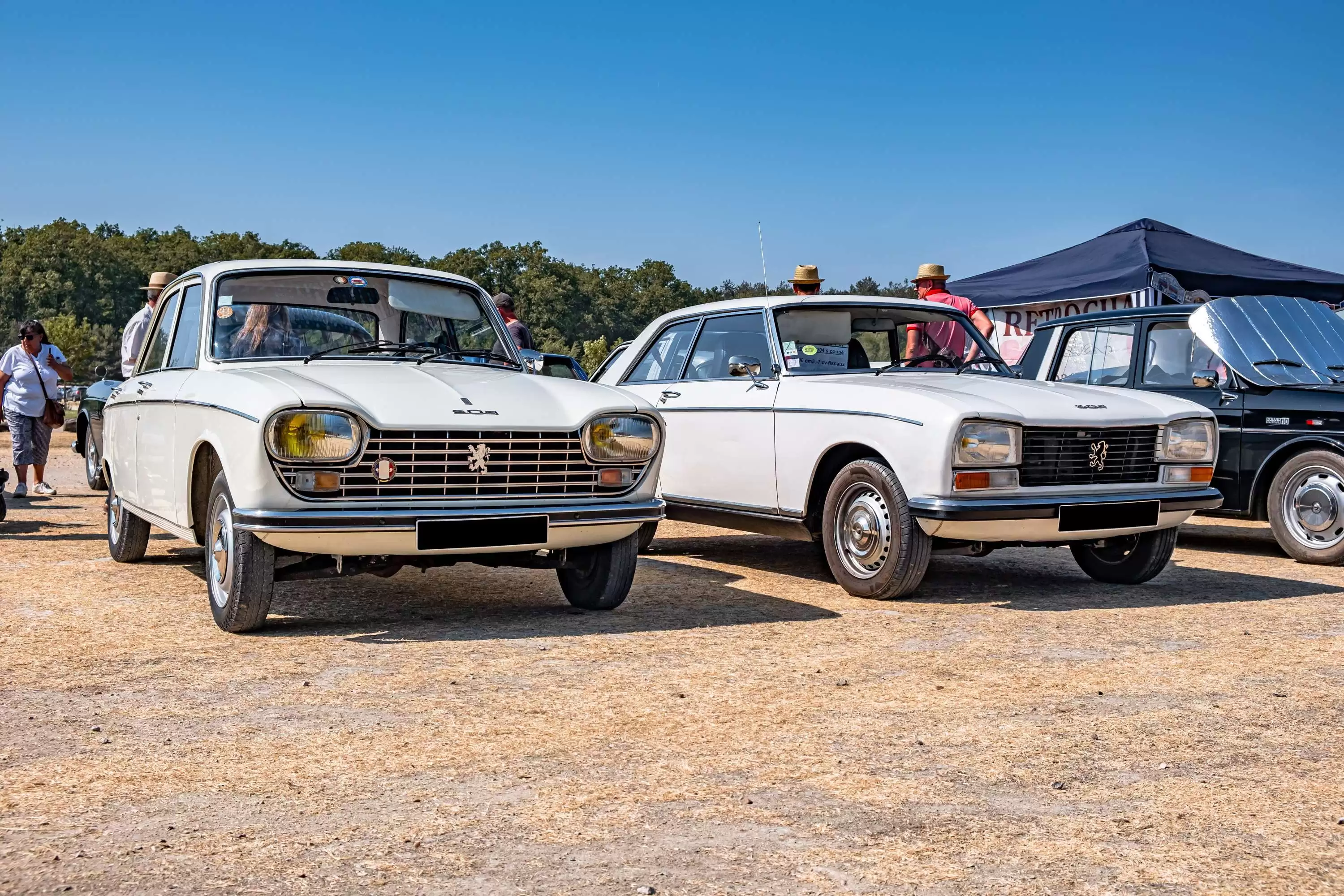
The evolution of the braking system on the Peugeot 404 followed an interesting path. Upon its release in 1960, the car was equipped with drum brakes, but criticisms multiplied, especially compared to the Citroën DS, already present on the market for five years.
In 1964, Peugeot partially addressed these criticisms by offering optional thermostable assisted drums, but this improvement was only available on the 1.6-liter gasoline versions. These heat-resistant drums were installed as standard starting in 1966. You can find our spare parts for thermostable drums in the section dedicated to the Peugeot 404.


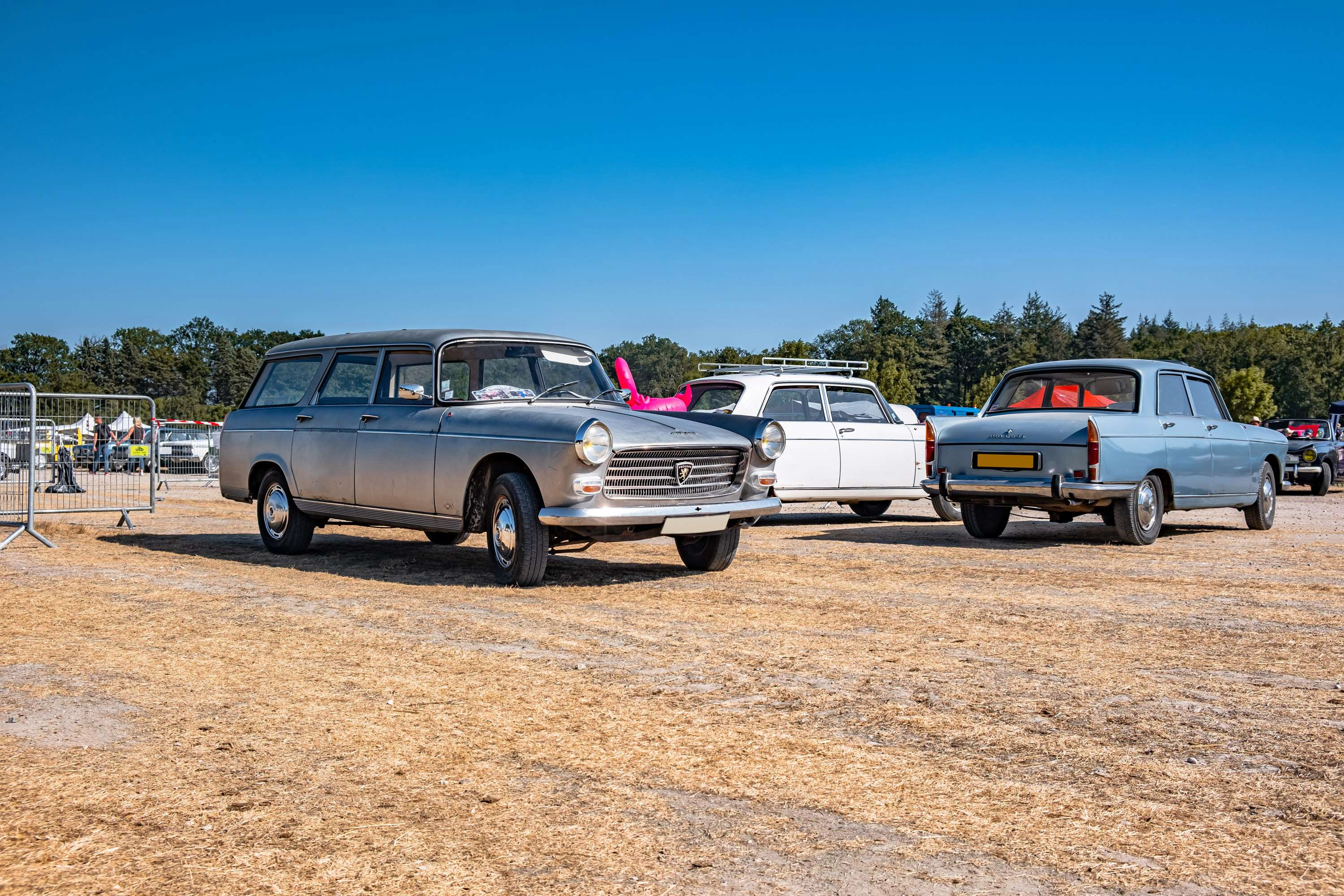
It was not until July 1967 that the Girling-type disc brakes have finally appeared, but only on the Peugeot 404 -8 Comfort. However, it was only in October 1968 that they were mass-produced on all gasoline sedan versions of the 404. The diesel versions and the station wagons remained loyal to drum brakes.Read the article "Taking a Break at the Wheel of a" Peugeot : the history of family cars).


The year 1968 coincides with the launch of the Peugeot 504 which was directly designed with standard four-wheel disc brakes, as mentioned in his historical account (read the story of the Peugeot 504: A Revolutionary Sedan ?).
Disc brakes have largely contributed to the reputation of Peugeot on the road, offering increased progressivity and a better cooling system. It is essential to regularly check the thickness of the brake pads, ensuring they do not go below 3 mm. The surface of the disc should be inspected to avoid any warping or scoring, thus ensuring optimal braking.


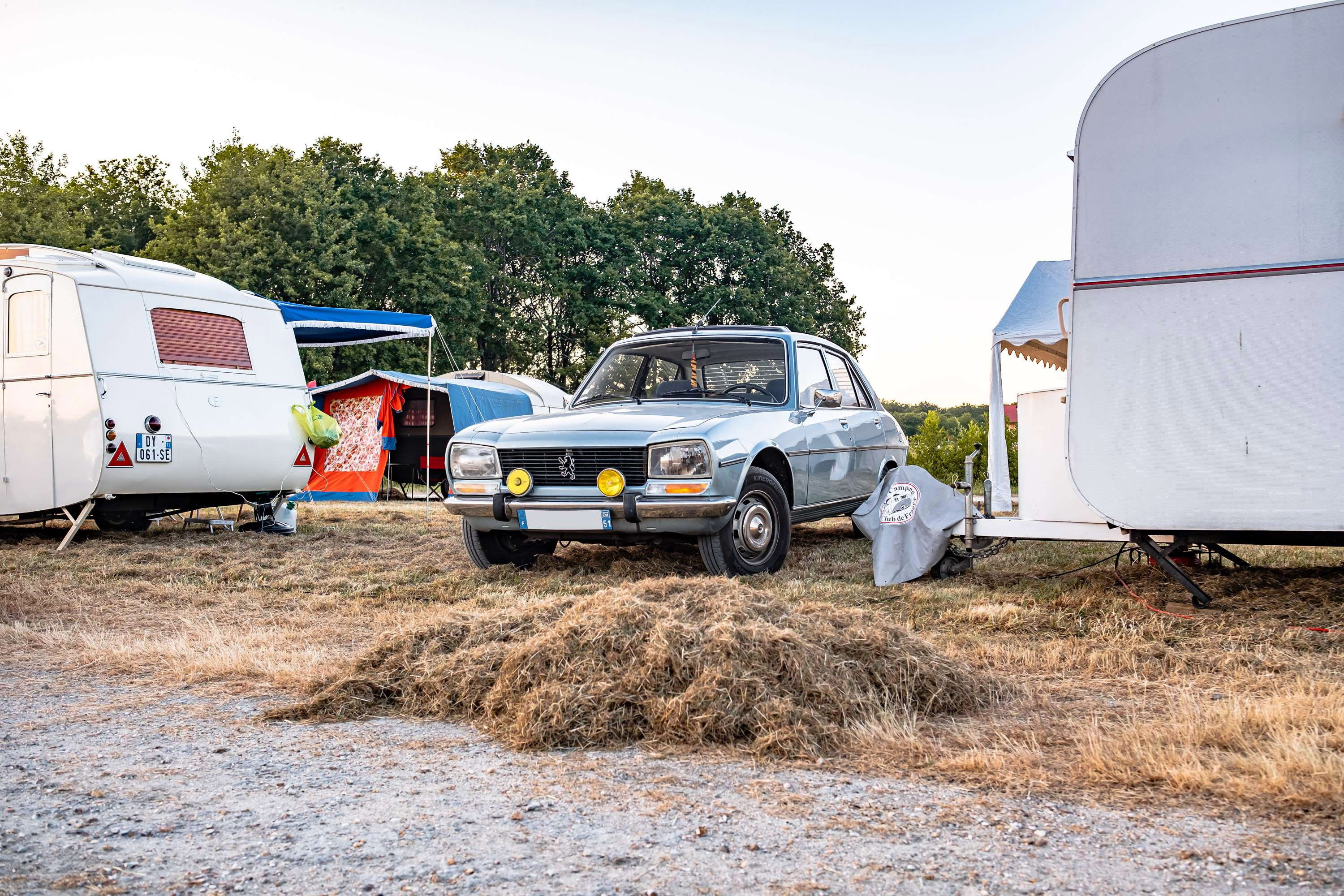
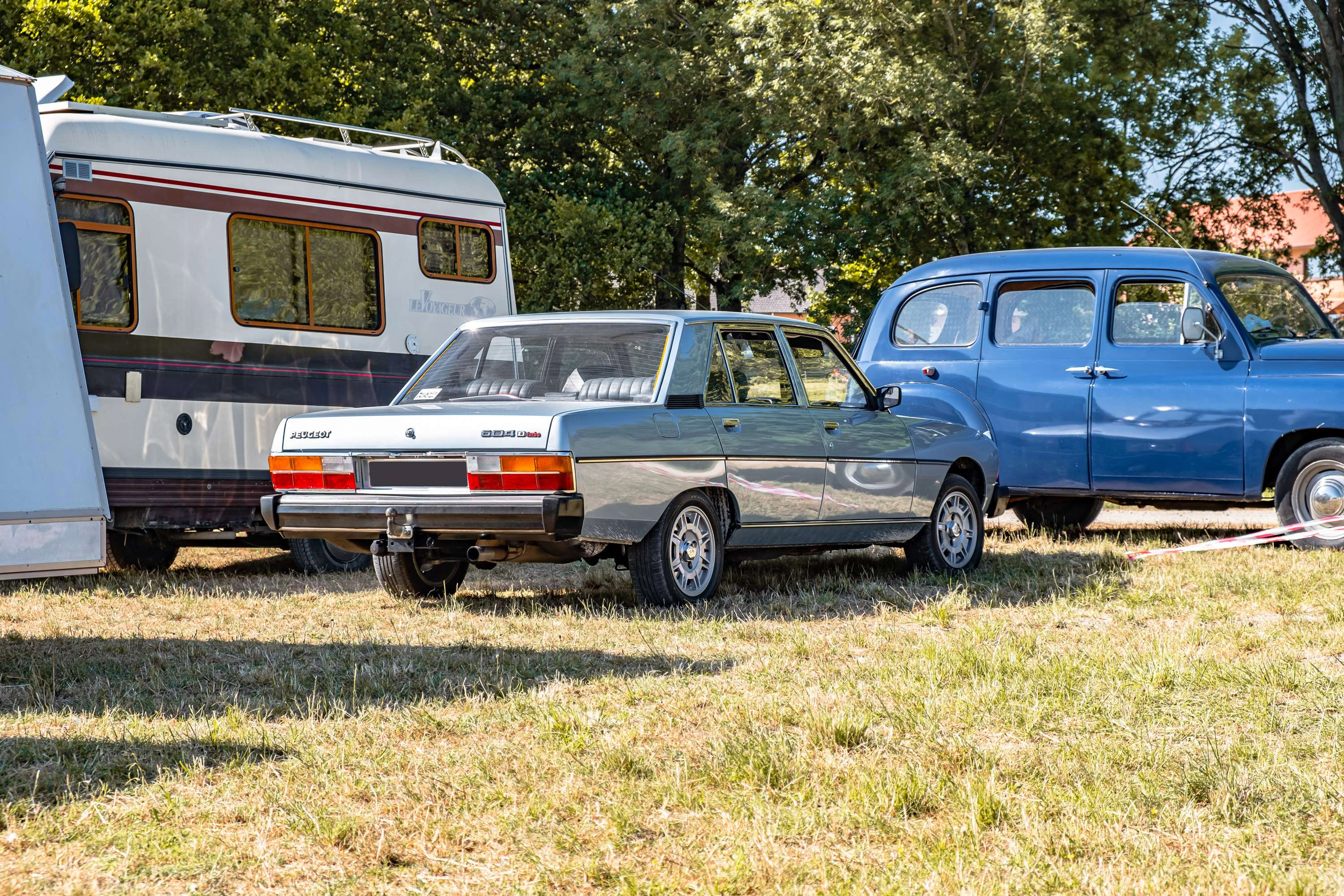
In order to further improve endurance, Peugeot adopted ventilated disc brakes on the front axle of the Peugeot 604 in 1975. These discs feature a central space allowing for air circulation, thereby promoting heat dissipation.
Since then, the fundamentals of the braking system have not experienced any major changes, except in the design and materials used. The flagship models of Peugeot are always equipped with four disc brakes, while small city cars have disc brakes at the front and drums at the rear.